%2Ffit-in%2F250x250%2Fguide_websites%2F1412%2Fimages%2F1729229520891screenshot2024-10-18132921.png&w=1920&q=100)
/users/635b6aac-4573-4d1d-8771-2342d0933039/ratecard/9459640d-131e-45d0-9998-cb6949f180bd.jpg)
%2F300x300%2Fusers%2F635b6aac-4573-4d1d-8771-2342d0933039%2Fratecard%2F9459640d-131e-45d0-9998-cb6949f180bd.jpg&w=256&q=75)
%2F300x300%2Fusers%2F635b6aac-4573-4d1d-8771-2342d0933039%2Fimages%2Ffishing-adventure-in-or-2384.jpg&w=256&q=75)
%2F300x300%2Fusers%2F635b6aac-4573-4d1d-8771-2342d0933039%2Fimages%2Fcoho-salmon-aumsville-fishing-2439.jpg&w=256&q=75)
%2F300x300%2Fusers%2F635b6aac-4573-4d1d-8771-2342d0933039%2Fimages%2Fchinook-salmon-aumsville-fishing-2405.jpg&w=256&q=75)
%2F300x300%2Fusers%2F635b6aac-4573-4d1d-8771-2342d0933039%2Fimages%2Fcoho-salmon-aumsville-catch-2589.jpg&w=256&q=75)
%2F300x300%2Fusers%2F635b6aac-4573-4d1d-8771-2342d0933039%2Fimages%2Fcatching-big-ones-oregon-2445.jpg&w=256&q=75)
%2F300x300%2Fusers%2F635b6aac-4573-4d1d-8771-2342d0933039%2Fimages%2Fthree-pink-salmon-oregon-fishing-2481.jpg&w=256&q=75)
%2F300x300%2Fusers%2F635b6aac-4573-4d1d-8771-2342d0933039%2Fimages%2Fbarracuda-trout-aumsville-catch-2412.jpg&w=256&q=75)
%2F300x300%2Fusers%2F635b6aac-4573-4d1d-8771-2342d0933039%2Fimages%2Fbluefish-catch-aumsville-2505.jpg&w=256&q=75)
%2F300x300%2Fusers%2F635b6aac-4573-4d1d-8771-2342d0933039%2Fimages%2Fgreat-fishing-trip-in-or-2443.jpg&w=256&q=75)
Top-Rated Oregon Salmon Fishing with Matt Halseth
 Portland, OR
What you will be catching:
 Chinook Salmon
 Cutthroat Trout
 Rainbow Trout
 Steelhead Trout
- Personalized salmon and steelhead fishing on premier Oregon rivers
- Expert techniques using specialized boats for optimal water conditions
- All bait, tackle, and gear provided for complete fishing experience
Trip Pricing and Availabilities:
Small River Fishing for Salmon and Steelhead
Picture this: you're drifting down one of Oregon's legendary rivers with nothing but the sound of water lapping against the boat and your line cutting through the current. That's exactly what you'll get when you join me for a day targeting salmon and steelhead on some of the Pacific Northwest's most productive waters. We're talking about the Willamette, North and South Santiam, McKenzie, and Nestucca rivers - each one offering its own character and challenges that keep even seasoned anglers on their toes. This isn't your typical crowded fishing experience either. With just one guest per trip, you'll get personalized attention and the kind of hands-on instruction that turns a good day into a great one.
What to Expect on the Water
Every morning starts with a quick chat about conditions and which river we'll hit based on what Mother Nature's been up to. Water levels, recent rains, and seasonal patterns all play into where the fish are holding, and after years of working these systems, I've learned to read the signs. Some days we'll fire up the jet boat and power upstream to spots that most folks can't reach, while other times the classic drift boat gives us the stealth we need to sneak up on spooky fish. The beauty of having both options means we're never stuck with plan B - we always go where the action is hottest. You'll spend the day learning why certain runs produce fish while others look perfect but stay empty, and I'll share the little details that separate the guys who catch fish from the ones who just go fishing. Don't worry about bringing anything beyond your fishing license and some snacks - I've got all the gear, bait, and safety equipment covered.
Techniques That Get Results
We'll be using three proven methods that consistently put fish in the boat: bobber dogging, back trolling, and back-bouncing bait. Bobber dogging might sound simple, but there's an art to reading the drift and knowing exactly when that subtle hesitation means a fish just picked up your offering. Back trolling lets us control our presentation perfectly, holding baits in the strike zone longer than any other technique. When conditions call for it, we'll switch to back-bouncing - a method that keeps your bait dancing along the bottom where big salmon and steelhead love to cruise. Each technique has its place depending on water conditions, fish behavior, and the specific characteristics of whatever run we're working. You'll get hands-on experience with all three methods, plus learn to recognize the subtle differences in how each species fights once you've got them hooked. The gear we use is dialed in for Oregon rivers - from the rod action to the terminal tackle, everything's chosen specifically for these waters and these fish.
Species You'll Want to Hook
Rainbow Trout in these river systems aren't your typical stocked fish - they're wild, beautiful specimens that have learned to survive alongside salmon and steelhead in some challenging water. These natives average 12-16 inches but pack a surprising punch, especially in the faster currents where they've built up serious muscle. Spring through fall offers the best action, with fish rising to mayfly hatches and aggressively hitting properly presented baits. What makes these rainbows special is their coloration - they've developed the deep, vibrant hues that only come from clean, cold water and a natural diet.
Steelhead Trout represent the holy grail for many river anglers, and for good reason. These sea-run rainbows return to our rivers chrome-bright and absolutely explosive when hooked. Summer steelhead typically run 6-10 pounds and enter the rivers from June through October, while winter fish arrive between December and March, often weighing 8-15 pounds or more. The fight is legendary - powerful runs, aerial acrobatics, and a determination that'll test your skills and your gear. Winter steelhead are particularly sought after because they're fresh from the ocean, full of energy, and haven't had time to lose their aggressive feeding instincts.
Chinook Salmon are the kings of Oregon rivers, and when you hook into a mature spring or fall Chinook, you'll understand why they've earned that title. Spring Chinook show up between March and June, bright silver and averaging 15-25 pounds, though 30+ pounders aren't uncommon. Fall Chinook arrive later in the year, from August through November, and can be absolute monsters - some pushing 40 pounds or more. These fish have incredible stamina and will use every trick in the book to throw your hook, including powerful downstream runs that'll have your drag screaming. The key to success is understanding their migration patterns and how they respond to different water conditions.
Cutthroat Trout might be the most underrated fish in these systems, but they're absolute gems for anglers who appreciate finesse and beauty. These native trout typically run 10-14 inches in the rivers, sporting the distinctive red slash marks that give them their name. They're opportunistic feeders and often the most aggressive biters when salmon and steelhead are being finicky. Sea-run cutthroat add another dimension - they follow salmon runs upriver to feast on eggs, growing fat and strong in the process. Fall months are prime time for these sea-runs, which can reach 16-20 inches and fight with surprising strength for their size.
Time to Book Your Spot
Oregon's river fishing seasons are carefully managed to protect spawning fish while providing world-class angling opportunities, and timing your trip right makes all the difference between good fishing and the kind of day you'll talk about for years. The beauty of this fishery is that something's always in season - whether it's bright spring Chinook, aggressive summer steelhead, or the massive fall salmon runs that bring the whole ecosystem to life. With just one spot available per trip, you're guaranteed the personal attention and instruction that transforms a fishing trip into a real education. I provide all the specialized tackle, fresh bait, and local knowledge you need to succeed, plus the
Learn more about the species
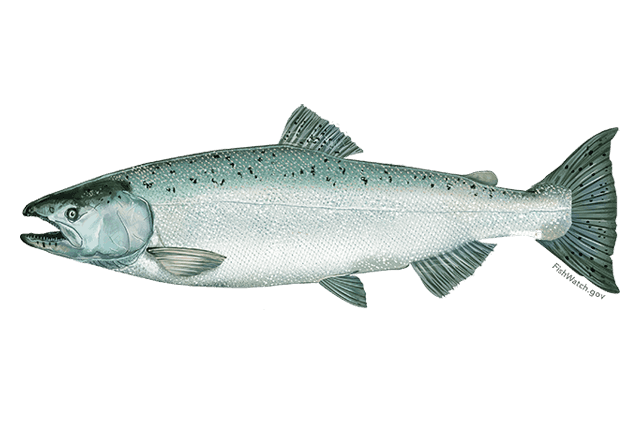
Chinook Salmon
Chinook salmon, or "kings," are the heavyweights of Oregon rivers, averaging 15-25 pounds with some bruisers pushing 40+. These silver-sided giants with black-spotted backs prefer deeper water and strong current breaks, often holding in 6-15 feet near ledges and channel drops. Spring chinook run March through June, while fall fish show September through November. What draws anglers is the raw power - a hooked king will test every knot and make runs that'll have your drag screaming. The rich, red meat is outstanding smoked or grilled. Being light-sensitive, they often hold deep and feed best at dawn and dusk. Pro tip: when back-bouncing roe or spinners, keep your bait just ticking bottom in the deeper holes - kings rarely chase food up in the water column like other salmon.
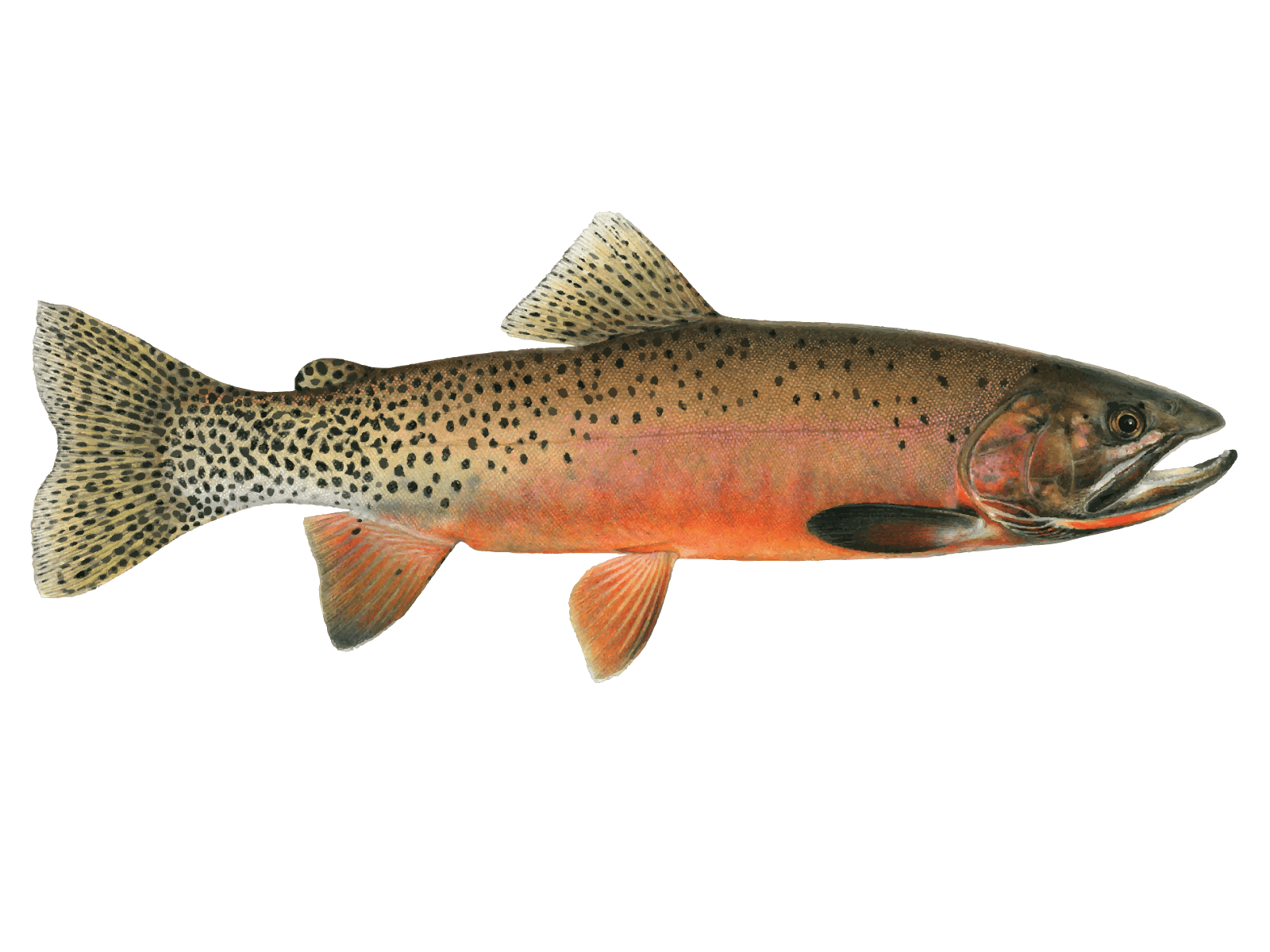
Cutthroat Trout
Cutthroat trout are Oregon's native beauties, easily spotted by those distinctive red slashes under their jaw. Size varies wildly - stream fish run 8-12 inches while lake dwellers can hit 16+ inches and several pounds. They're adaptable, thriving in everything from small mountain creeks to larger river systems, often holding near undercut banks, log jams, and deep pools with good cover. Late spring through early fall produces the best fishing, especially during terrestrial season when ants and beetles are dropping. Cutthroat are eager biters and fight with surprising strength for their size. They're also excellent eating with sweet, firm flesh. What's cool is they're opportunistic feeders - more willing to take a variety of flies than picky rainbows. Local tip: try a small elk hair caddis or stimulator along wooded banks during summer afternoons.
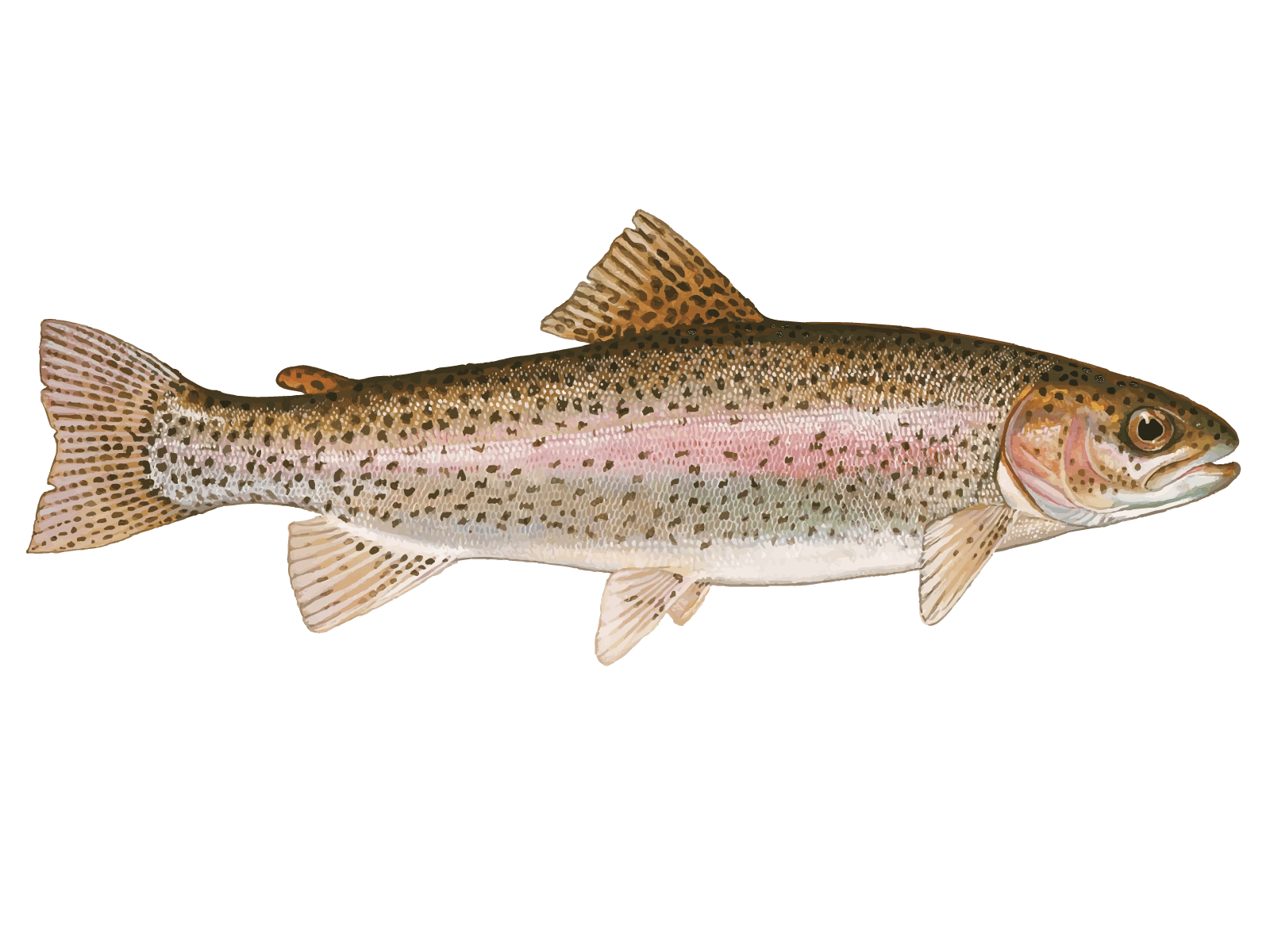
Rainbow Trout
Rainbow trout are the bread and butter of Oregon's rivers, typically running 8-16 inches with that classic pink stripe along their silver sides. They love the cooler, well-oxygenated water we get in places like the McKenzie and Santiam rivers, hanging around structure like fallen logs, boulder pockets, and deeper pools. Spring through fall gives you the best action, especially during mayfly hatches when they'll rise to dry flies. What makes them special is their scrappy fight - they'll jump and make solid runs that'll test your drag. The meat is excellent too, with that pink flesh that tastes great grilled or fried. Here's a local trick: when the water's a bit off-color after rain, try drifting a bright egg pattern or small spinner just off the bottom in the slower water below riffles.
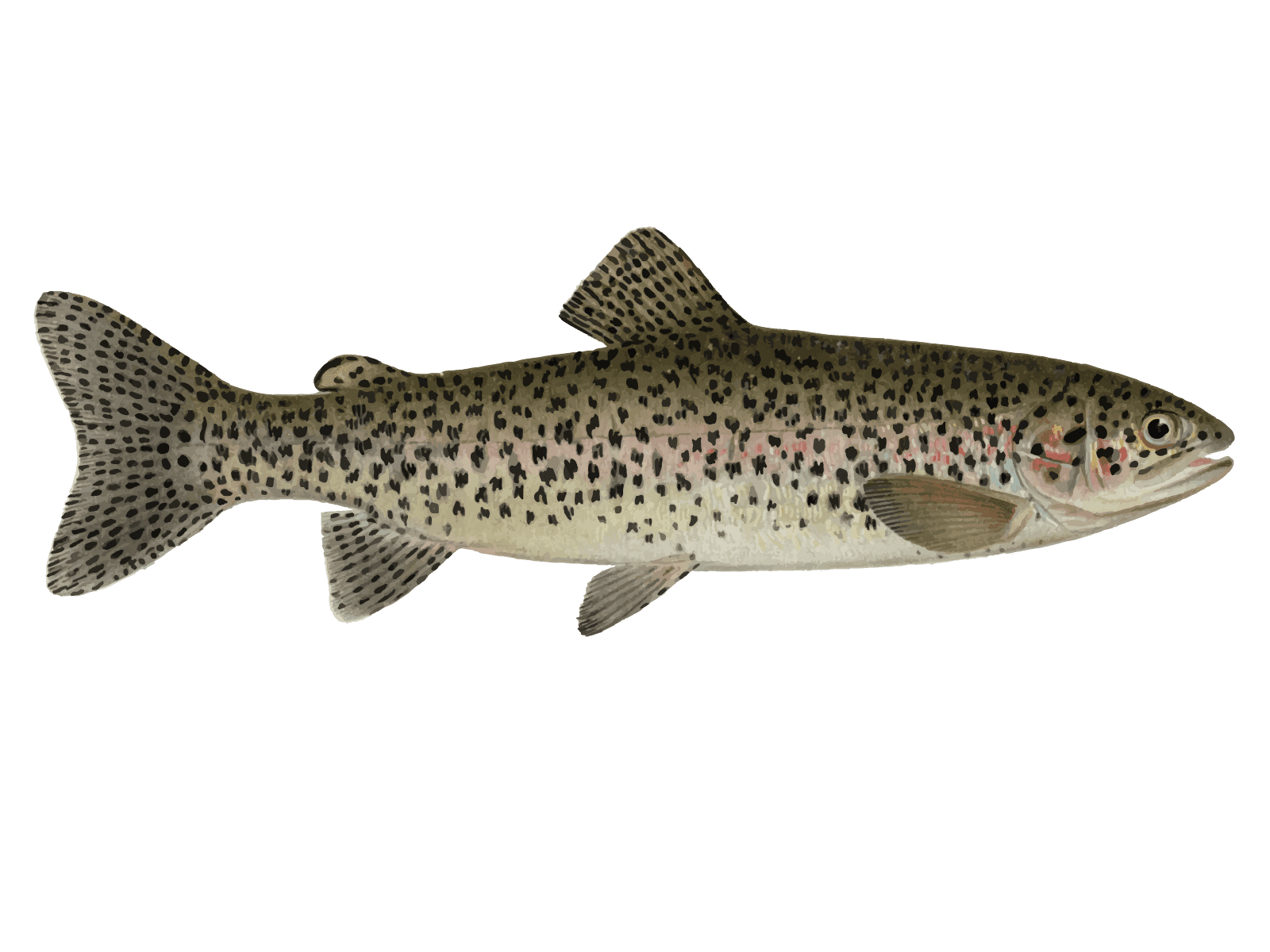
Steelhead Trout
Steelhead are basically rainbow trout that went to the ocean and came back bigger, stronger, and chrome-bright. These sea-run fish average 24-30 inches and pack serious muscle from their saltwater years. They favor deeper runs and tailouts in our coastal rivers like the Nestucca, often holding in 4-8 feet of water near structure. Winter steelhead run December through March, while summers show up June through October - both offer different challenges. What hooks people is the fight; steelhead are notorious for their aerial displays and long, powerful runs that can empty your reel. They're also prime table fare with firm, flaky meat. The key to hooking up is patience - these fish can be moody. Try swinging flies or drifting bait through likely holding water multiple times at different speeds.
About the Willie Fuzion
%2F%2Fusers%2F635b6aac-4573-4d1d-8771-2342d0933039%2Fvehicle_picture%2Ffb_img_1765144372514-miwa4j7v.jpg&w=1920&q=75)
Vehicle Guest Capacity: 4
Manufacturer Name: Mercury
Maximum Cruising Speed: 45
Number of Engines: 1
Horsepower per Engine: 175
You'll fish Oregon's legendary rivers aboard either a nimble Jet Boat or classic Driftboat, depending on what Mother Nature serves up that day. Your captain knows these waters like the back of their hand and will adapt to conditions on the Willamette, North and South Santiam, McKenzie, and Nestucca rivers. Whether we're bobber dogging in the deeper pools, back trolling through prime runs, or back-bouncing bait along productive ledges, you'll learn proven techniques that locals have perfected over decades. Target trophy spring Chinook, hard-fighting Fall Chinook, and both Summer and Winter Steelhead depending on the season. All your bait, tackle, and safety gear comes ready to go, so you can focus on feeling that telltale tug on your line. These Oregon rivers have been producing memorable catches for generations, and today it's your turn to join that tradition.