%2Ffit-in%2F250x250%2Fguide_websites%2F1412%2Fimages%2F1729229520891screenshot2024-10-18132921.png&w=1920&q=100)
/users/635b6aac-4573-4d1d-8771-2342d0933039/ratecard/2024-05-12.jpg)
%2F300x300%2Fusers%2F635b6aac-4573-4d1d-8771-2342d0933039%2Fratecard%2F2024-05-12.jpg&w=256&q=75)
%2F300x300%2Fusers%2F635b6aac-4573-4d1d-8771-2342d0933039%2Fimages%2Ffishing-adventure-in-or-2384.jpg&w=256&q=75)
%2F300x300%2Fusers%2F635b6aac-4573-4d1d-8771-2342d0933039%2Fimages%2Fcoho-salmon-aumsville-fishing-2439.jpg&w=256&q=75)
%2F300x300%2Fusers%2F635b6aac-4573-4d1d-8771-2342d0933039%2Fimages%2Fchinook-salmon-aumsville-fishing-2405.jpg&w=256&q=75)
%2F300x300%2Fusers%2F635b6aac-4573-4d1d-8771-2342d0933039%2Fimages%2Fcoho-salmon-aumsville-catch-2589.jpg&w=256&q=75)
%2F300x300%2Fusers%2F635b6aac-4573-4d1d-8771-2342d0933039%2Fimages%2Fcatching-big-ones-oregon-2445.jpg&w=256&q=75)
%2F300x300%2Fusers%2F635b6aac-4573-4d1d-8771-2342d0933039%2Fimages%2Fthree-pink-salmon-oregon-fishing-2481.jpg&w=256&q=75)
%2F300x300%2Fusers%2F635b6aac-4573-4d1d-8771-2342d0933039%2Fimages%2Fbarracuda-trout-aumsville-catch-2412.jpg&w=256&q=75)
%2F300x300%2Fusers%2F635b6aac-4573-4d1d-8771-2342d0933039%2Fimages%2Fbluefish-catch-aumsville-2505.jpg&w=256&q=75)
%2F300x300%2Fusers%2F635b6aac-4573-4d1d-8771-2342d0933039%2Fimages%2Fgreat-fishing-trip-in-or-2443.jpg&w=256&q=75)
Oregon Coast Fishing: Premium Offshore Charters
 Portland, OR
What you will be catching:
 Black Sea Bass
 Chinook Salmon
 Coho Salmon
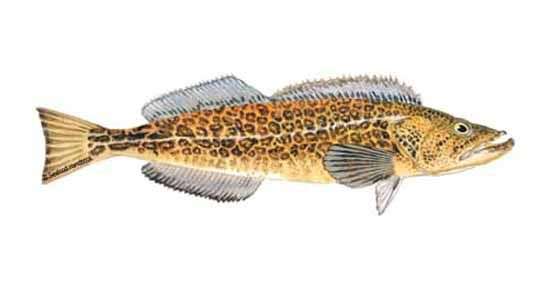
 Lingcod
- Full-day charter targeting salmon and bottom fish species
- Personalized instruction with exclusive single-guest positioning
- Year-round productive Oregon waters with expert local knowledge
Trip Pricing and Availabilities:
Oregon Coast Salmon & Bottom Fish Charter
Picture this: you're rolling out of Garibaldi Harbor before sunrise, watching the Oregon coastline wake up as we head into blue water where the big kings are waiting. Matt Halseth Guide Service has been putting anglers on fish along this stretch of coast for years, and this combo trip is hands down one of our most popular offerings. You'll start the morning chasing salmon in the deep water, then shift gears to bottom fishing where lingcod and black sea bass are stacked up on the rocky structure. It's the kind of day that reminds you why Oregon's offshore fishing scene is so special – diverse, productive, and absolutely addictive once you get hooked.
What to Expect on the Water
This isn't your typical half-day trip where you're back at the dock by noon wondering what to do next. We're talking about a full offshore experience that takes advantage of Oregon's incredible fishery. The day kicks off targeting salmon in 150 to 300 feet of water, depending on where the bait is holding and what the fish finder is showing us. Early morning is prime time for kings and coho – they're actively feeding and less boat-shy than they get later in the day. You'll feel that unmistakable weight when a mature chinook grabs your gear and makes its first run toward the bottom. After we've had our fill of salmon action, we'll transition to the nearshore reefs and rocky pinnacles where bottom fish congregate. The beauty of this combo approach is that you're never putting all your eggs in one basket – if the salmon bite is slow, the bottom fish are usually cooperative, and vice versa. Plus, you get to experience two completely different styles of fishing in one trip, which keeps things interesting and maximizes your chances of going home with a cooler full of fillets.
Techniques and Tackle Setup
For the salmon portion, we're primarily trolling with downriggers and diving planes to get our offerings down to where the fish are cruising. I'll have the boat rigged with quality gear – think Scotty downriggers, Penn and Shimano reels spooled with fresh line, and a selection of proven lures like Blue Fox spinners, hoochies, and spoons in colors that have been producing. The key is covering water efficiently while maintaining the right speed and depth. When we make the switch to bottom fishing, it's a totally different game. We're talking about heavy jigs, rockfish rigs with multiple hooks, and sometimes live or cut bait depending on what's working best. The bottom structure along the Oregon coast is phenomenal – underwater mountains, ledges, and rocky reefs that hold incredible numbers of lingcod, sea bass, and other bottom dwellers. I've got the GPS marks dialed in from years of fishing these waters, so we're not wasting time looking for fish – we're going straight to where they live.
Top Catches This Season
The chinook salmon we target are the real deal – ocean-bright fish that average 15 to 25 pounds, with the occasional 30-plus pounder that'll test your drag system and make your arms burn. These kings are fresh from the deep Pacific, loaded with fight and flavor. Coho salmon are smaller but pound-for-pound some of the scrappiest fish in the ocean. They'll jump, run, and give you a workout on medium tackle. When we shift to bottom fishing, lingcod are the main attraction – ugly as sin but absolutely delicious, and they grow big in Oregon waters. A 20-pound ling is a solid fish, but 30 to 40-pounders are definitely possible, especially on the deeper reefs. Black sea bass are another favorite – they fight hard for their size and make excellent table fare. The variety is what keeps this trip exciting. You might catch six different species in one day, each with its own fighting characteristics and techniques required to land them consistently.
Species You'll Want to Hook
Chinook salmon are the kings of the Pacific for good reason. These fish spend years in the ocean building up size and strength before heading back to spawn. The ones we target are typically 3 to 5 years old, bright silver with dark backs, and absolutely loaded with energy. Peak season runs from late spring through early fall, with July and August being particularly productive. What makes them so exciting is their size and power – when a big king decides it doesn't want to come to the boat, you're in for a battle. They'll sound toward the bottom, make long runs, and test every knot in your system.
Coho salmon are smaller than their chinook cousins but make up for it with pure athleticism. These fish are acrobats – they'll jump clear out of the water multiple times during a fight, often throwing the hook in the process if you're not careful with your drag settings. Coho are typically 6 to 12 pounds, with bright silver sides and dark metallic backs. They're aggressive feeders and will often hit lures that kings ignore. The meat quality is outstanding – firm, red, and perfect for grilling or smoking.
Lingcod are the apex predators of the rocky reefs, and they look the part with massive heads, huge mouths full of teeth, and an attitude to match. These fish can live over 20 years and grow to impressive sizes – the Oregon record is over 60 pounds. They're ambush predators that lie motionless on the bottom until prey comes within striking distance. What's exciting about lingcod is their aggressive nature. They'll often follow a hooked fish right to the surface, sometimes grabbing it just as you're about to net it. The meat is white, flaky, and considered some of the best eating in the ocean.
Black sea bass are smaller than lingcod but equally scrappy. These fish are built like footballs with fins – short, stocky, and incredibly strong for their size. They live in schools around rocky structure and kelp beds, feeding on small fish, crabs, and squid. A 3 to 5-
Learn more about the species
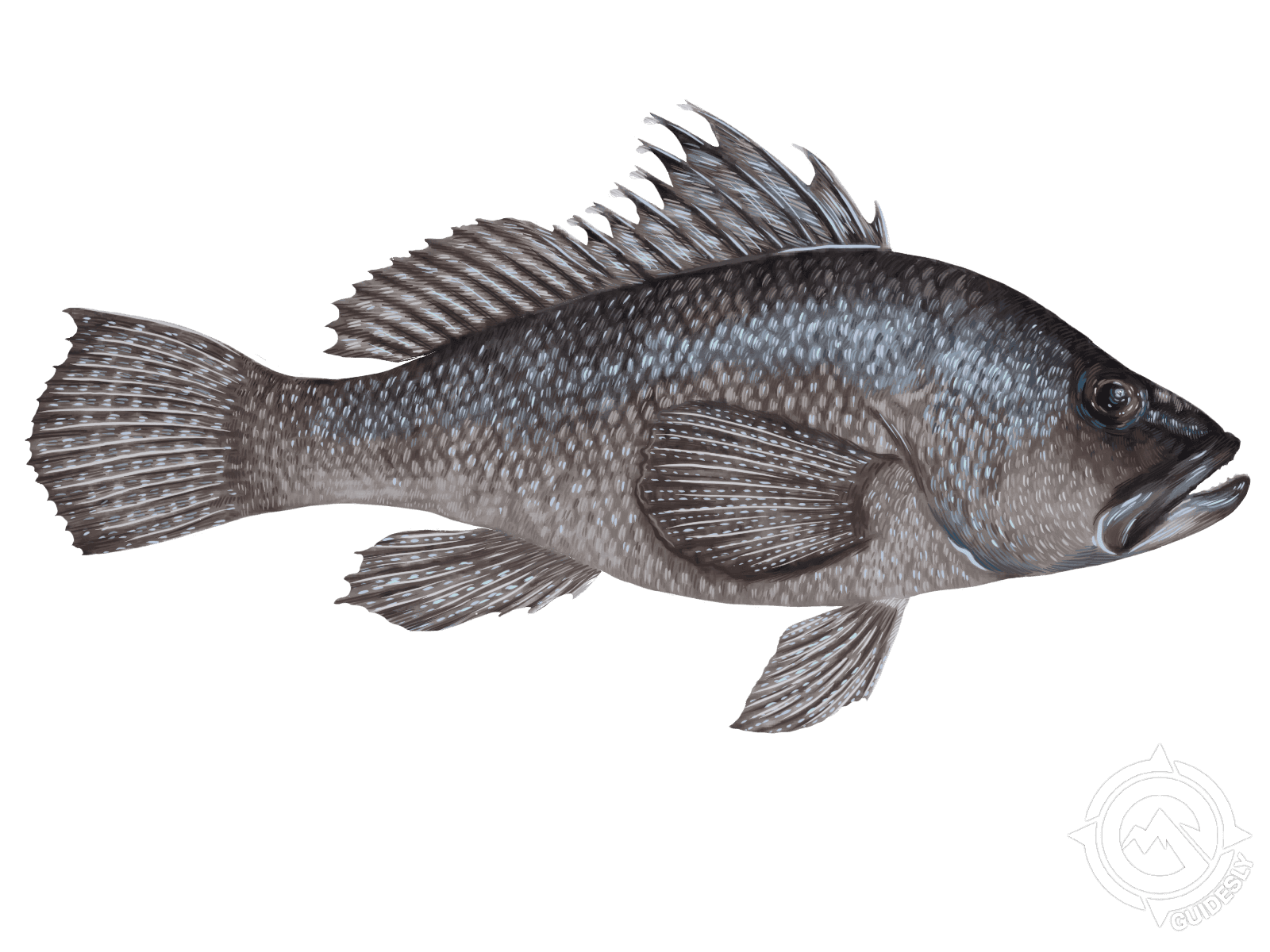
Black Sea Bass
Black sea bass aren't common off Oregon - you'll find these stocky fighters primarily along the East Coast from Maine to Florida. They're part of the grouper family and typically run 1-4 pounds, though trophy fish can push 8+ pounds. These bottom dwellers love structure like wrecks, rocky reefs, and jetties in 20-120 feet of water. Best fishing happens late spring through summer when they move inshore to spawn. What makes them fun is their scrappy fight and excellent table fare - firm, white, flaky meat that's hard to beat. They'll hit both live bait and jigs readily. Since these aren't Oregon natives, if you're fishing our waters, focus on our local rockfish species instead, which offer similar bottom fishing action and great eating around our coastal reefs and rocky structure.
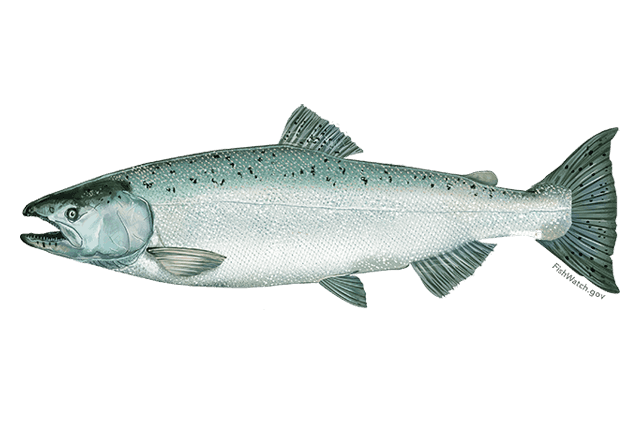
Chinook Salmon
The king of salmon lives up to its name, with fish commonly hitting 15-30 pounds and occasional giants topping 40. These silver bullets with black-spotted tails prefer deeper water, often 40-100 feet down, following baitfish along underwater ledges and drop-offs. Prime time is late spring through early fall during their ocean feeding phase. Kings are bucket-list fish - they make long, powerful runs and their rich, red meat is unmatched on the dinner table. They're light-sensitive, so early morning and late evening bites are prime time. Local secret: when trolling, use a fish finder to locate bait schools at depth, then run your gear just above them. Kings will rise up to grab a well-presented herring or plug, and when they do, hold on tight for the ride of your life.
Coho Salmon
Known as "silvers" for their bright chrome sides, cohos are pure dynamite on the line. These acrobatic fighters average 8-12 pounds and love to jump - sometimes clearing 6 feet of water when hooked. You'll find them in the top 30 feet of water during summer runs, especially near river mouths and coastal structure. Peak season runs late summer through fall when they're staging for their spawning runs. What makes cohos special is their aggressive nature and willingness to hit lures, plus that bright orange meat makes for outstanding eating. Here's a local trick: when trolling, keep your speed around 2-3 mph and watch for that telltale "coho shake" - they'll rattle your rod tip before taking off on their first aerial display.
Lingcod
These toothy predators are the bullies of the bottom, and they look the part with their massive mouths full of sharp teeth. Lingcod typically run 10-20 pounds, though we see some real monsters pushing 30+ pounds in deeper water. They hang around rocky reefs, kelp beds, and structure from 30-200 feet deep. You can target them year-round, but spring and summer offer the best action when they're more active. What guests love is their aggressive strike and bulldogging fight - they'll try to wrap you around every rock down there. The meat is firm, white, and tasty too. Pro tip: once you hook one, keep steady pressure and reel fast to get them away from the rocks. They're ambush hunters, so drop your jig right into their lair and be ready for a solid thump.
About the Riverwild
%2F%2Fusers%2F635b6aac-4573-4d1d-8771-2342d0933039%2Fvehicle_picture%2Fimg_20250818_055235-miw8h38x.jpg&w=1920&q=75)
Vehicle Guest Capacity: 6
Manufacturer Name: Yamaha
Maximum Cruising Speed: 50
Number of Engines: 1
Horsepower per Engine: 250
Our Oregon Coast fishing charter targets mighty King and Coho salmon in the open Pacific waters before moving to productive bottom fishing spots. This action-packed day combines the best salmon fishing Oregon offers with diverse bottom catches for a full haul. Perfect for anglers wanting to experience both worlds - the rush of hooking powerful salmon and the steady action of bottom fishing. You'll fish Oregon's stunning coastal waters where salmon runs meet rich feeding grounds. Whether you're after that trophy King or filling the cooler with rockfish and lingcod, this trip delivers variety and plenty of fishing action on the beautiful Oregon Coast.